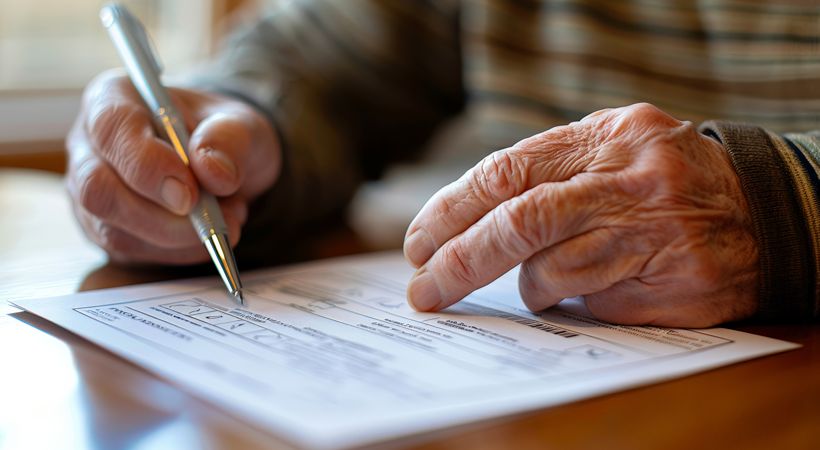
Couple having meeting to discuss will

Intestacy Rules and Unmarried Couples: What the 2026 Reforms Would Change

Under current intestacy rules, if your partner dies and you’re not married, you do not inherit their estate. No matter how long you’ve lived together, if your partner dies without a will, you’re entitled to nothing, and their estate will be passed down to their children, parents, siblings and wider family. 

In fact, the estate goes to the Crown before it reaches you, even if you have spent most of your lives together. There are many circumstances that would lead to someone not making a will before they passed, and at the current moment in time, the law is not catered to support bereaved, unwed partners. 

However, with the recent announcement of cohabitation reforms, this could all be about to change. At Brown Turner Ross, we’re leading family solicitors, and we have been tracking new cohabitation reforms closely.

In this guide, we will cover what partners are currently eligible for under an Inheritance Act 1975 claim and what reforms could change.

Is There Such a Thing as a Common-Law Wife or Husband? 

Contrary to popular belief, England and Wales have no such thing as a common-law wife or husband. 

No matter how long a couple has been together, shared a home, or had children, unmarried cohabiting couples do not have the same legal protections or rights as married couples. 

Couple writing will

Can an Unmarried Partner Make a Claim if There is No Will?

An unmarried partner can make a legal claim to a deceased partner’s estate if there is no will, but they have no automatic right to inherit. This issue emphasises the importance of drafting a will when you’ve had a long term partner. 

To request financial provision from the estate, you must prove you lived together as a couple for at least 2 years and apply for a court order under the Inheritance (Provision for Family and Dependants) Act 1975. 

Why Does a Partner Get Less Than a Spouse Would?

The unfortunate reality is that the law does not recognise cohabitation as an automatic legal union, and so an unmarried partner receives less than a spouse when their girlfriend or boyfriend dies. 

If a partner sues for money under the Inheritance Act 1975, they are generally limited to a maintenance amount rather than a fair spousal share, unless a will explicitly states that the partner should receive the full estate. 

What if the Claims Are Against My Partner’s Child?

Because children inherit everything by law when no will has been made and there is no married spouse, if you are simply a partner of the deceased, you are left with nothing. If the child does not willingly give you money, you can sue the estate, which, by extension, means you are suing the child for financial support, and a contentious probate dispute will arise. 

If you choose to do this, the court will weigh your financial needs against the child’s needs, and if the child is a minor or dependent, the courts will heavily prioritise their maintenance over an unmarried partner’s claim. 

Couple looking at their wills

What Are the 2026 Cohabitation Reforms?

Also referred to as ‘a fairer end to relationships’, these reforms aim to introduce basic legal, financial and inheritance rights for unmarried cohabiting couples. Key proposals will create a statutory framework allowing qualifying cohabitants to make financial claims when a relationship ends, or their partner passes without a will. 

To learn more about what the new cohabitation laws are set to do and what they mean for unmarried couples, read our full guide on family law reforms in 2026.

Could the Reforms Disadvantage Children?

The government has confirmed that they believe that the 2026 cohabitation reforms will actually protect children by shielding them and their primary caregivers from financial destitution if a parent dies without a will.

However, children from a previous relationship could see reductions in their inheritances once unmarried couples receive inheritance rights.

Who Would Deal With the Estate Under New Rules?

Under proposed reforms, qualifying cohabitants will have the same right to apply for a Grant of Letters of Administration, and they would move to the top of the priority list. 

The surviving partner would receive primary legal authority to collect the deceased’s assets, pay off outstanding debts and distribute the remaining estate.

A will being written to assign assets

Would Unmarried Partners Pay Inheritance Tax?

The estate would be subject to inheritance tax, subject to applicable thresholds and with recent announcements, they will now be required to pay Inheritance Tax on any leftover pension that is inherited.

Unmarried cohabiting couples do not benefit from a spousal tax exemption but can pass £325,000 to chosen beneficiaries, including each other on death, without tax. Their estate can also benefit from a further allowance of up to £175,000 if they leave their home to lineal descendants. Accordingly, there are certainly cases in which no tax would be paid, but beyond this there would be a 40% tax rate on the excess for every pound over the threshold.

When will the New Cohabitation Law Come into Force?

As of now, there is no confirmed date for when the new cohabitation law will come into force, and it is unlikely that any legislation will come into force before 2028, but we’ll keep you updated if anything changes. 

Prepare Your will with Brown Turner Ross

You should now have a clearer understanding of intestacy laws and the rights unmarried couples currently have. With proposed cohabitation laws set to be put in place, this is likely to change, and if you’re currently in a cohabiting relationship, it’s important to stay informed. 

If you’d like to draft or make changes to your will, or you simply want more information, get in touch with our team at Brown Turner Ross today.

Contact Brown Turner Ross

Choose location